

Paradise Found: My Journey to the Andaman and Nicobar Islands
There are places that feel like they belong more to a dream than to reality. The Andaman and Nicobar Islands, an Indian archipelago floating in the Bay of Bengal, is one of them. With 572 islands scattered across turquoise waters, only about 38 are inhabited—and fewer still are open to visitors. What awaits is a slice of paradise that feels impossibly remote, yet firmly Indian.
The Beach That Stops Time
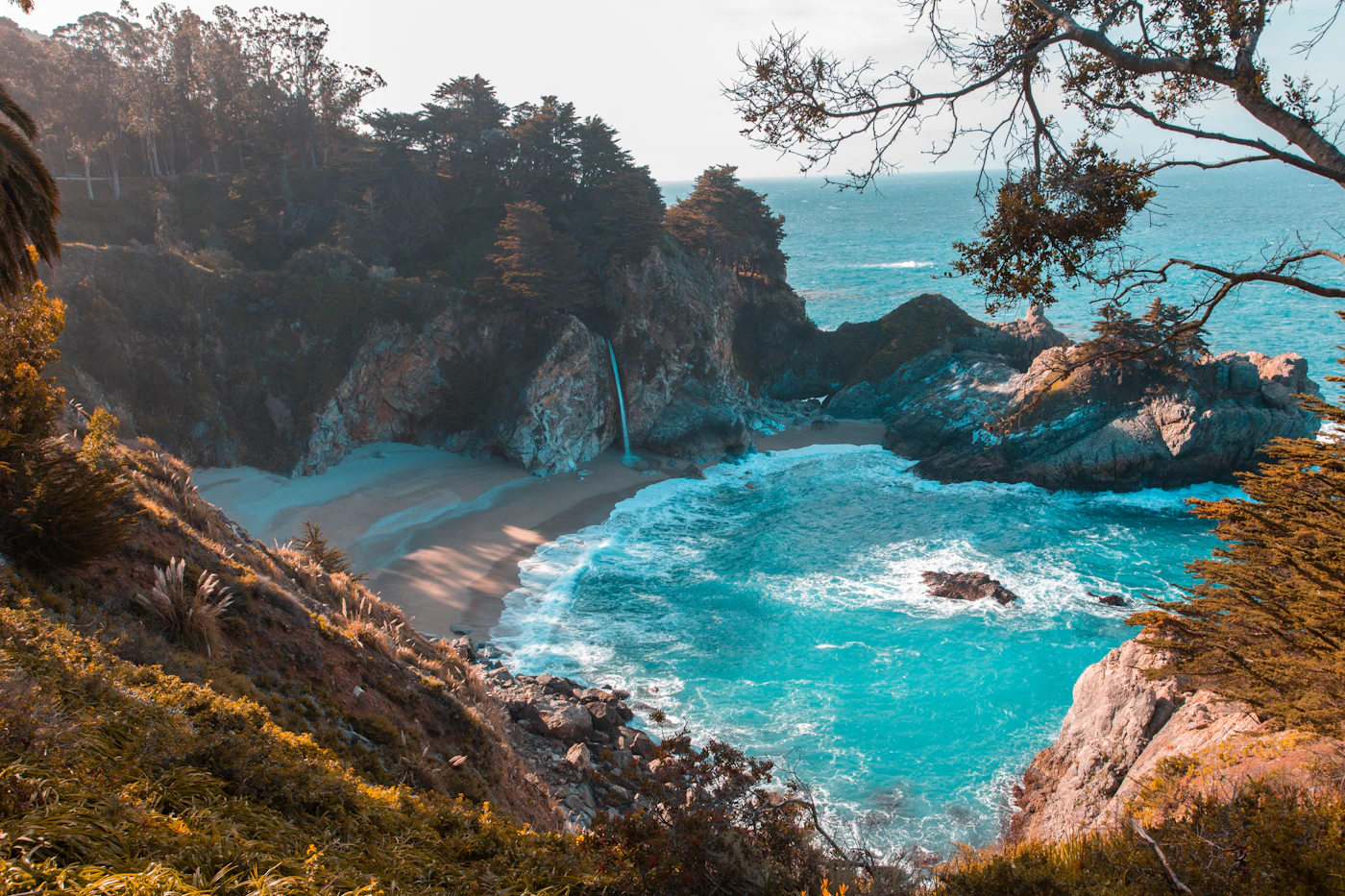
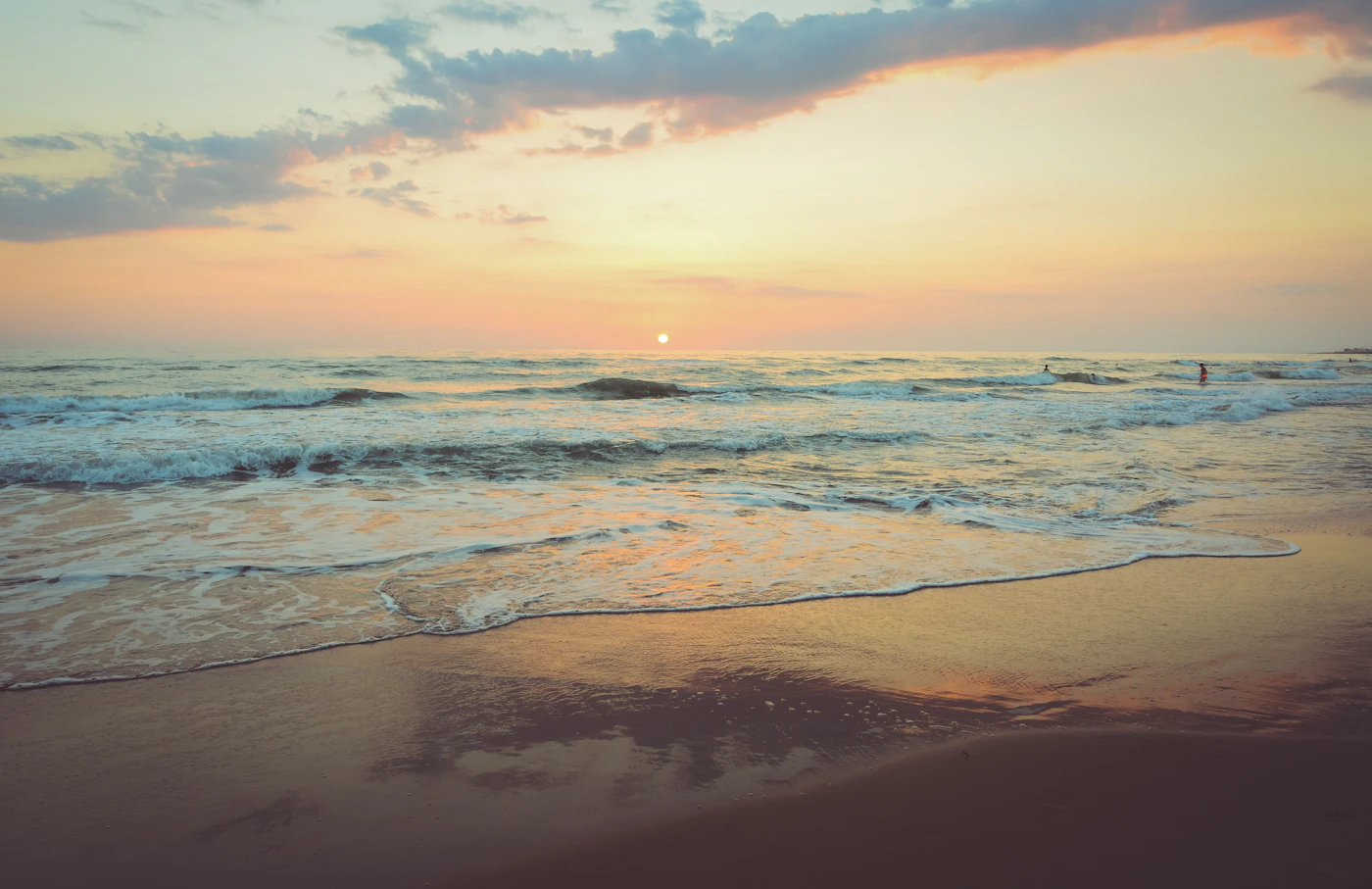
Let me start with Radhanagar Beach on Havelock Island (now officially Swaraj Dweep). It’s been voted among the best beaches in Asia, and honestly, the accolades undersell it. Picture this: powder-white sand that squeaks beneath your feet, water so clear it looks like liquid glass, and shades of blue that shift from pale aquamarine to deep sapphire as the sun moves across the sky.
I arrived in the late afternoon, joining the small crowd that gathers for sunset. But here’s the thing—walk just a few minutes to the less crowded end of the beach, and you’ll find yourself alone with nothing but the sound of waves and the slow, golden descent of the sun. Twenty minutes of silence passed before I even realised I hadn’t spoken. That kind of peace is hard to find anywhere else.
Beneath the Surface
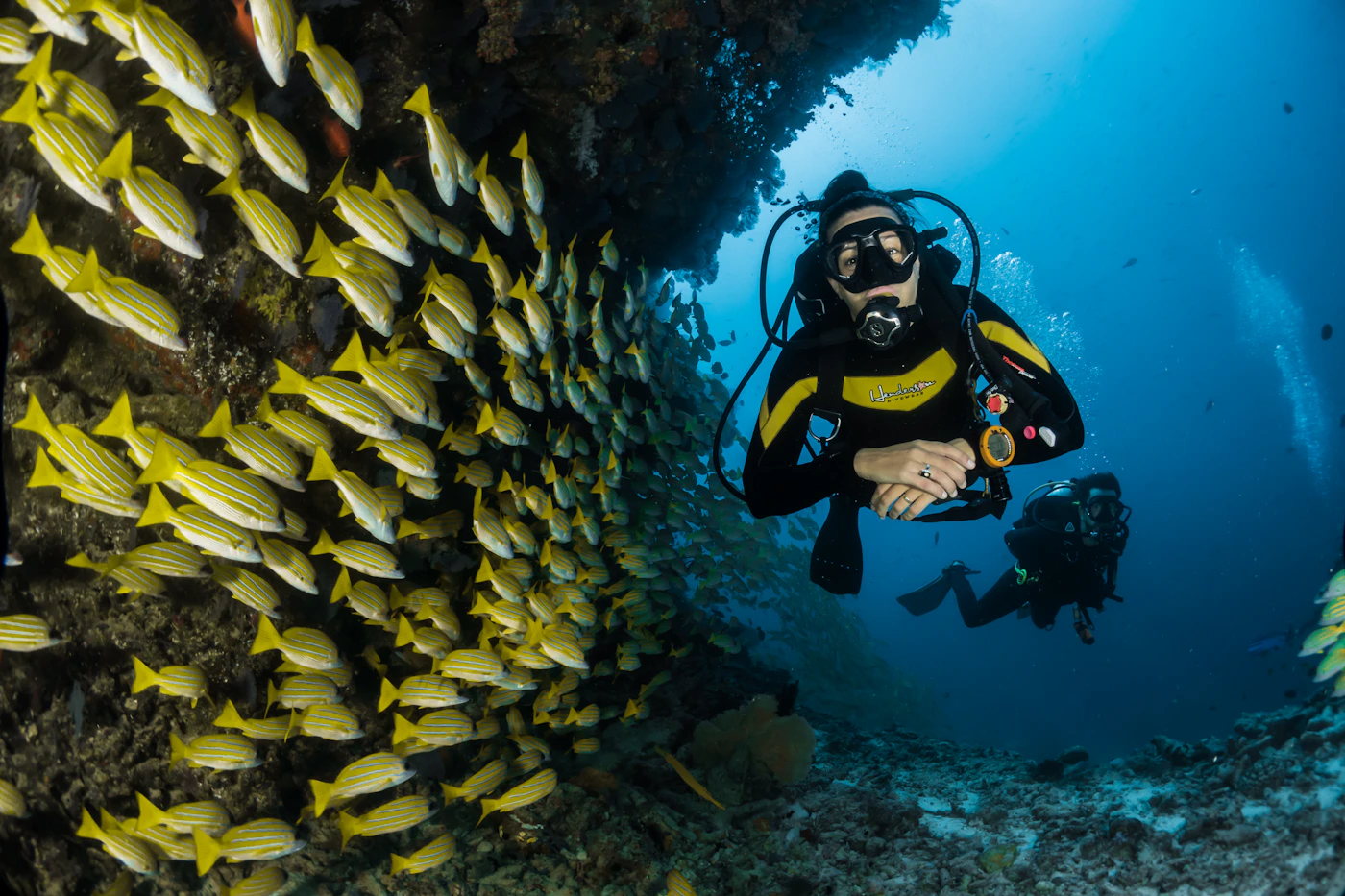
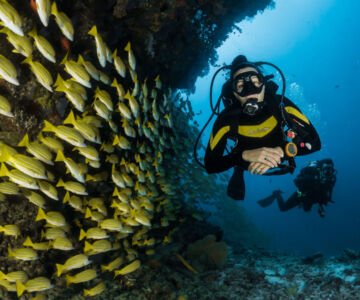
If the beaches are the islands’ crown, the underwater world is their hidden treasure. The Andaman Sea boasts some of the richest coral biodiversity in Indian territory, with visibility regularly exceeding 20 to 30 metres on a good day. I signed up for an introductory scuba dive at Elephant Beach—no certification required, just a willingness to be amazed.
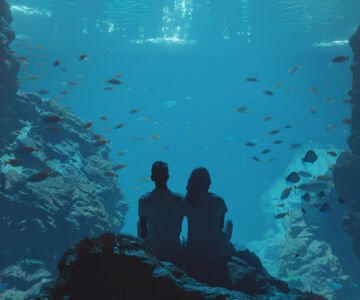
Descending into that blue world, I found myself swimming alongside hawksbill turtles, through forests of coral the size of small cars, surrounded by fish in colours I didn’t know existed. For those who want to stay closer to the surface, snorkelling at North Bay Island or Bharatpur Beach offers equally stunning views of the reef. And if you’re lucky enough to be here between November and April, kayaking at night might reward you with bioluminescence—tiny phytoplankton that light up the water like scattered stars.
Echoes of History in Port Blair
But the Andamans aren’t just about natural beauty. The capital, Port Blair (recently renamed Sri Vijaya Puram), carries a weight of history that hits you the moment you step into the Cellular Jail. Known as Kala Pani—Black Water—this colonial prison was where the British exiled India’s most courageous freedom fighters.
Walking through those narrow corridors, peering into tiny solitary cells designed to isolate prisoners from all human contact, I felt history come alive in a way no textbook could ever achieve. The evening Light and Sound Show is unmissable—it brings the prison’s stirring history to life through narration and lights across the building’s facade.
Just a short boat ride away lies Ross Island (now Netaji Subhas Chandra Bose Island), the former British administrative headquarters. Today, it’s being slowly reclaimed by nature—deer wander through overgrown colonial buildings, tree roots push through brick walls, and an eerie silence hangs over the ruins. It’s hauntingly beautiful.
Island Hopping and Practicalities
The classic route for first-timers is simple: Port Blair → Havelock (Swaraj Dweep) → Neil (Shaheed Dweep) → back to Port Blair. Five to six days is enough to experience the best without feeling rushed. Ferries between islands take roughly two hours, and honestly, those open-water crossings—with no land in sight, just you and the endless sea—become some of the most memorable moments of the trip.
The best time to visit is between October and May, when the weather is pleasant and the seas are calm. The monsoon months from June to September bring heavy rains and rough seas, making ferry schedules unreliable and many activities unsafe.
Final Thoughts
What surprised me most about the Andamans wasn’t the beauty—I expected that. It was the quiet. The way the islands slow everything down. There’s no traffic to complain about, no noise bleeding through the walls. Just you, the sea, and the person beside you. Whether you’re diving among coral reefs, watching the sunset from Asia’s best beach, or walking through the corridors of a colonial prison, the Andaman and Nicobar Islands offer something increasingly rare in our hurried world: the space to simply be.